
The short answer
A toilet that won't flush properly usually has one of seven faults. The most common are too little water in the cistern, a worn siphon diaphragm on a lever flush, or a faulty drop valve on a push-button flush. Limescale in the rim, a partial blockage, a blocked vent or a problem further down the drains cause the rest. Most cistern faults are cheap to fix.
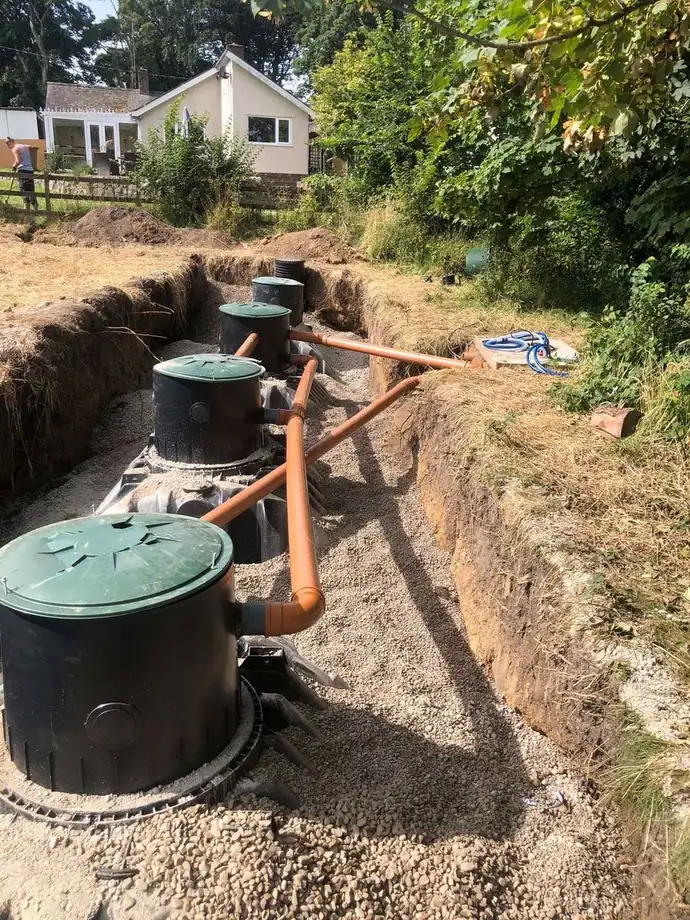
The fixes below use UK parts. If you have a septic tank or treatment plant, the last two causes matter more, because a flushing problem can be an early sign of trouble outside.
How a UK toilet flushes
The cistern holds the water. A float valve refills it after each flush and shuts off at the right level. When you flush, either a siphon or a drop valve releases the water into the pan, where rim holes spread it around the bowl and the trap carries waste away.
Older toilets and many with a side lever use a siphon. Pressing the lever lifts a plastic plate covered by a flexible diaphragm, which starts the siphon. Most modern toilets with a push button, often dual flush, use a drop valve, which simply lifts a plug with a rubber seal out of the outlet.
1. Not enough water in the cistern
Lift the cistern lid. The water should come up to the line marked inside, which sits a little below the top of the overflow. If it is lower, the float valve is shutting off too early. Most modern valves have an adjusting screw or a slide on the float. On older ballcock valves, the arm can be gently bent upwards. A valve that fills very slowly may have a blocked filter or a partly closed isolating valve on the supply pipe.
2. Worn siphon diaphragm (lever flush)
If you have to pump the lever several times before it flushes, the diaphragm has probably split or worn. It is a thin plastic or rubber disc that costs very little. Replacing it means isolating the water, emptying the cistern and taking the siphon out, which on close-coupled toilets means separating the cistern from the pan. It is a manageable job for a confident DIYer, but a plumber will do it quickly.
3. Faulty drop valve or button (push-button flush)
On a push-button toilet, a weak flush often means the valve is not lifting fully. The cable or rod between the button and the valve can stretch, slip or snap. Adjusting or replacing the button linkage is usually straightforward. If water trickles into the pan all the time, the seal at the bottom of the valve is worn or dirty and needs cleaning or replacing.
4. Limescale in the rim holes
In hard water areas, limescale gradually narrows the holes under the rim, so water dribbles rather than sweeping round the bowl. Run a mirror under the rim to look. A limescale remover left to soak, followed by clearing the holes with a small brush or a bent wire, usually restores the flush.
5. A partial blockage in the pan or trap
If the cistern empties normally but the bowl fills high and drains slowly, something is stuck in the trap or the pipe just behind it. A toilet plunger is the first tool to try. Wet wipes, cotton buds and too much paper are the usual causes. Wipes labelled flushable still cause blockages.
6. A blocked vent
Drains need air to flow freely. If the soil vent pipe is blocked by leaves or a bird's nest, the flush can be sluggish and the toilet may gurgle. You might notice the water level in the pan rocking when another toilet or the bath empties.
7. A problem in the drains or septic tank
If every toilet and plughole in the house is slow, the problem is further down the line. On mains drainage that means a blocked drain. On a septic tank or treatment plant it can also mean the tank is overdue for emptying, the outlet is blocked or the drainage field is no longer soaking away. Gurgling, smells outside and wet ground over the drainage field point that way. Our guide to how to tell if your septic tank is full explains what to look for.
A running toilet costs more on private drainage
A cistern that never stops filling, or a seal that lets water trickle into the pan, wastes a surprising amount of water. On mains drainage that shows up on a metered bill. On a septic tank it also sends extra water through the tank and onto the drainage field all day, which can wash solids through and overload the ground. Fix it promptly.
When to call someone
Call a plumber for cistern parts you aren't comfortable replacing. If several fittings are slow, the drains gurgle or you have wet ground or smells outside, the problem is likely to be in the drainage system. If you have a septic tank, an inspection will check the tank and drainage field, and our septic tank repairs team can clear blocked outlets and failing fields. See also is toilet paper safe for septic tanks for what is safe to flush.